
Insights
Bundled software deals: one simple monthly cost
25 November 2026
| 7 min read

One project, one monthly cost
Buyers don't think in line items. When a business signs up for Sage, NetSuite or IFS, they aren't buying licences, then a few modules, then implementation days, then a stock of scanners. They're buying one thing: a working system. So why do we still ask them to pay for it in five different ways, on five different invoices, mostly upfront?
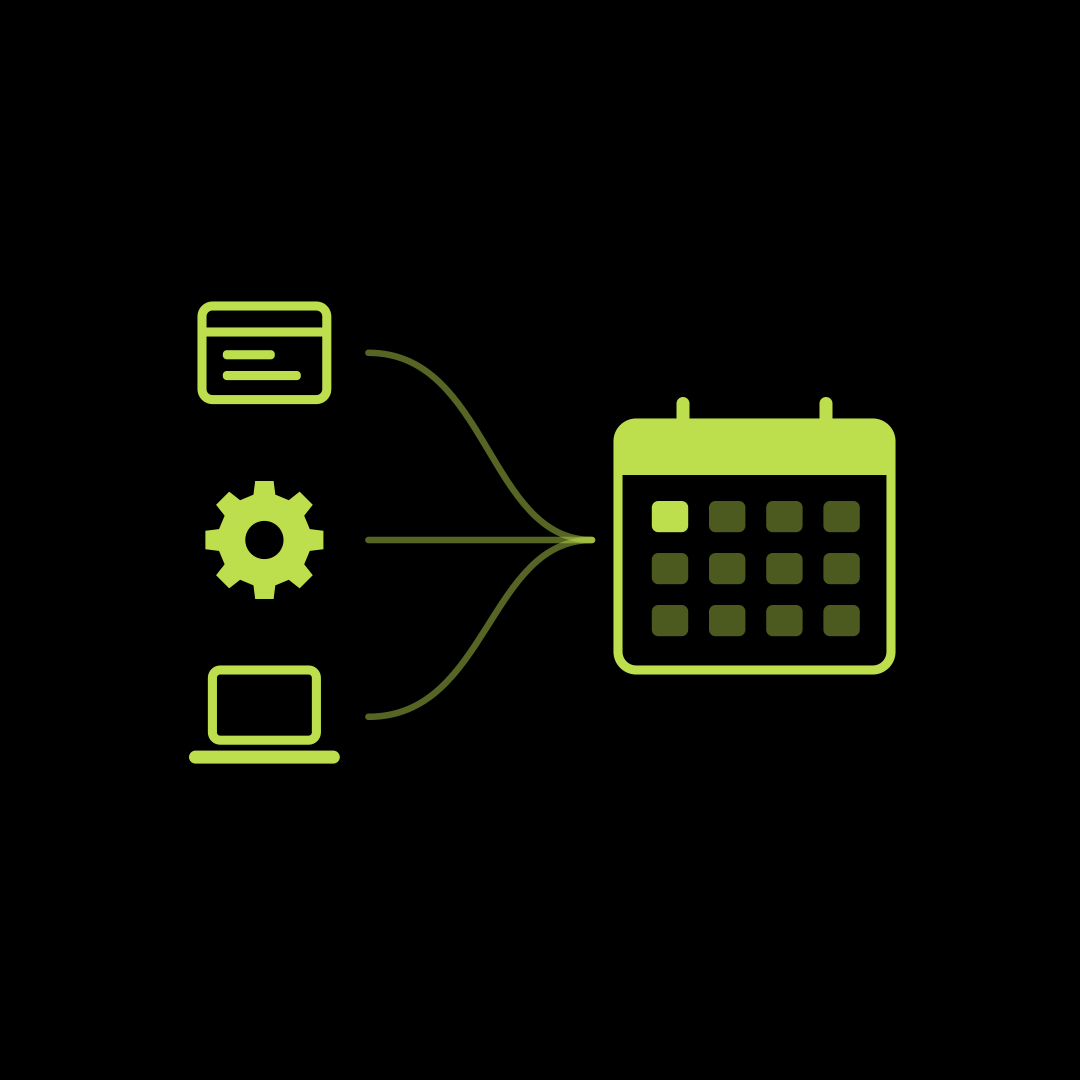
Bundling changes that. The whole project, software, services and the kit to run it, gets wrapped into a single agreement with one simple monthly payment. The customer gets a number they can budget for. The vendor or partner gets paid in full, on day one. It's a better conversation for everyone, and it's one of the quickest ways to shorten a sales cycle that's stalled on budget.
It's especially relevant for NetSuite partners right now. With Oracle's own financing no longer available to them, many have lost the payment option they used to lean on at the close. Sage and IFS partners face the same question every quarter: how do we get a deal over the line when the customer loves the solution but can't find the cash this financial year?
What goes in the bundle
Almost everything a customer needs to go live can sit inside one agreement. The starting point is the software itself, the core licences or subscriptions plus any extra modules, whether that's advanced inventory in NetSuite, payroll in Sage or field service in IFS. Adding a module later doesn't have to mean a separate conversation about money either.
Then there's the professional services. Implementation is often the biggest single cost in an ERP project and the hardest for a customer to justify upfront, because they're paying for months of consultancy before they see any return. That can be funded alongside the licences. So can blocks of ongoing service credits for training, optimisation, support or the phase two work everyone knows is coming.
Most projects also pull in third party software. Think warehouse management, EDI, CRM connectors, reporting tools, payment integrations and the apps that make the core system fit the way the business actually works. These usually arrive on their own invoices, from their own suppliers, at the worst possible moment. Bundled, they disappear into the same monthly figure.
Finally, the hardware. A new system often needs new kit to support it, from something as simple as handheld scanners and label printers in the warehouse, to rugged tablets, laptops for the finance team, network equipment and on-premise servers. If the customer needs it to make the project work, it can go in the bundle.
Why vendors and partners should care: paid in full, upfront
Here's the part that often gets missed. When a customer spreads the cost, the vendor doesn't. The funder pays the vendor or partner the full value of the deal upfront, usually as soon as the agreement is signed and the customer confirms delivery. The customer then pays the funder monthly. The credit risk sits with the funder, not with you.
That changes the economics of a deal in a few ways. Cash flow improves straight away, because months of implementation revenue and a multi-year licence commitment arrive as one payment instead of trickling in. There's no chasing invoices or managing a customer's payment plan on your own books. And if you're a partner reselling licences, you're not left carrying the gap between paying the software vendor and collecting from the customer.
It helps on the sales side too. Deal sizes tend to grow when the conversation moves from a large capital figure to a monthly cost. A customer who'd have cut the warehouse module or the extra scanners to hit a budget can often keep them when the difference is a small amount each month. Multi-year terms lock in the commitment, which makes churn less likely and gives you a longer runway to expand the account. And when the finance director's objection is "we love it, but not this year", you've got an answer that doesn't involve discounting.
The funding options, in detail
There's no single way to structure a bundled deal. The right shape depends on how the customer budgets, how the project rolls out and what the vendor wants to achieve. These are the structures we see used most, and they can be combined.
Standard monthly payments
The simplest option and the one most customers start with. The total value of the bundle is spread evenly across the agreed term, with the same payment every month. It's easy to explain, easy to budget for and easy for a finance director to approve, because the cost of the project becomes a fixed overhead rather than a capital outlay.
Multi-year agreements
Most bundled software deals run over two to five years, often matched to the length of the software subscription. A longer term means a lower monthly payment, which can be the difference between a project being approved or parked. For the vendor, a multi-year agreement means the customer has committed to the full term upfront, and you've been paid for all of it on day one.
Annual increases
Some customers prefer to start lower and step up. With an annual increase built in, payments rise by an agreed percentage each year of the agreement. This works well where a business expects to grow into the system, or where it mirrors the uplifts the software vendor applies at renewal anyway. The customer gets a lighter first year, while they're still bedding the system in, and the increases are known from the start so there are no surprises.
Front-loaded payments
The opposite approach. Here the customer pays more in the early months or the first year, then less for the rest of the term. It suits businesses that have budget available now and want to reduce the ongoing commitment, or that want to cover the heavier implementation phase while the cost is fresh. Front loading usually reduces the total cost of finance too, because less is borrowed for less time.
Spreading the implementation
Implementation is normally the cost customers struggle with most, because it lands before the system delivers anything. Rather than paying it upfront, or in the first year alongside go-live, the professional services can be spread across the whole term of the agreement. The customer pays for the consultancy at the same pace they get value from the system. Alternatively, if they'd rather clear it quickly, the implementation can be front loaded while the licences and hardware run evenly over the full term.
Staged payments
ERP projects happen in phases, so payments can too. A staged structure matches the customer's payments to the project plan, with lower or deferred payments during implementation that move up as each phase goes live. That might mean a reduced payment until the system is live, then the full monthly amount once the business is using it day to day. It takes the sting out of paying for something before it's switched on, and it keeps everyone focused on delivery milestones.
0% finance
The strongest closing tool on the list. With 0% finance the customer pays exactly the price on the quote, spread monthly, with no interest on top. The cost of the finance is covered by the vendor or partner, who receives the funded amount less that subsidy, still paid upfront. It's a deliberate sales investment, often cheaper than the discount you'd otherwise give away to close the deal, and it works particularly well for quarter-end pushes, promotions and competitive situations where the other bidder can't match it.
How monthlii makes it work
monthlii lends across services, software and hardware, so partners can put the whole project in front of a customer as one monthly cost. Our funders will even support services-only deals, which means implementation and service credits don't have to wait for a licence sale to be financed.
It's free for partners to use. Once you're set up, you get access to the monthlii partner portal and a dedicated account manager for day-to-day deals, and you earn a rebate on every deal funded. We work with you to pick the right structure for each customer, whether that's a straight monthly plan, a stepped multi-year agreement or a 0% offer to close the quarter.
If you sell Sage, NetSuite or IFS, or any business software where budget is the thing holding deals back, we'd like to talk. Contact us to become a partner.
Latest insights
Oracle financing has gone for NetSuite partners. Here's how to keep offering monthly payments.
Oracle has pulled its financing from NetSuite partners. monthlii funds software, services and hardware as one simple monthly cost.
Read article
monthlii vs Business Finance Brokers vs Vendor-Funded Monthly Payments: Which Is Best for Software Companies?
Letting customers pay for software monthly wins more deals and smooths cash flow, but who funds those payments decides how much risk, effort and cost lands on your business.
Read article
The biggest cost in business software isn't the software any more
Implementation, consultancy and professional services now make up a large share of every technology project. If your customers can only finance the licence, they're only financing part of the decision.
Read article